Water Analysis Services

Commercial Water Analysis & Dubai Municipality (DM) Compliance Testing
We provide comprehensive commercial water analysis services across Dubai, utilizing state-of-the-art portable water testing kits alongside an elite network of ISO 17025 certified laboratories. Our advanced field-testing kits deliver instant, on-site diagnostics, allowing facility managers to promptly assess real-time water quality parameters and implement immediate corrective actions. This rapid feedback loop is vital for maintaining water safety, minimizing operational downtime, and precisely evaluating the performance and efficiency of industrial water purification systems.
By swiftly identifying system drop-offs, scaling, or microbial contamination, our technical experts enable proactive measures to restore, optimize, or replace critical filtration components before costly malfunctions occur. Furthermore, we seamlessly guide our clients through local regulatory frameworks, accelerating the path to secure official Dubai Municipality (DM) approved laboratory reports for guaranteed health and safety compliance.
Comprehensive Chemical Water Analysis & Water Quality Testing
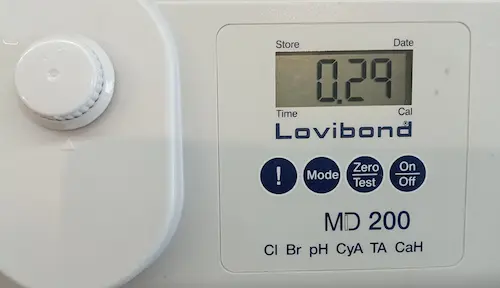
Our professional chemical water analysis services provide critical insights into vital water quality parameters to protect industrial, commercial, and residential infrastructure. We specialize in precise laboratory testing for pH levels (acidity and alkalinity) and Total Dissolved Solids (TDS) to accurately determine the concentration of dissolved substances. Our advanced analytical parameters include electrical conductivity measurements, alongside detailed monitoring of hardness minerals like calcium and magnesium, which are essential for preventing scaling and corrosion in plumbing, boilers, and cooling appliances.
To guarantee safe sanitization and precise environmental compliance, we analyze water systems for bromine and chlorine disinfection levels, as well as chlorides for salinity assessments. Our diagnostic capabilities cover total alkalinity and dissolved oxygen (DO) to evaluate buffering capacities and ecosystem health. Additionally, we conduct targeted screenings for nitrite, nitrate, phosphate, sulphate, and sulphite to monitor nutrient enrichment and chemical pollution. Finally, our comprehensive analysis tracks silica content—critical for safeguarding sensitive industrial processes—and turbidity (water clarity), ensuring our clients receive a complete, regulatory-compliant evaluation of their water quality.
Microbiological Water Analysis & Pathogen Testing Services
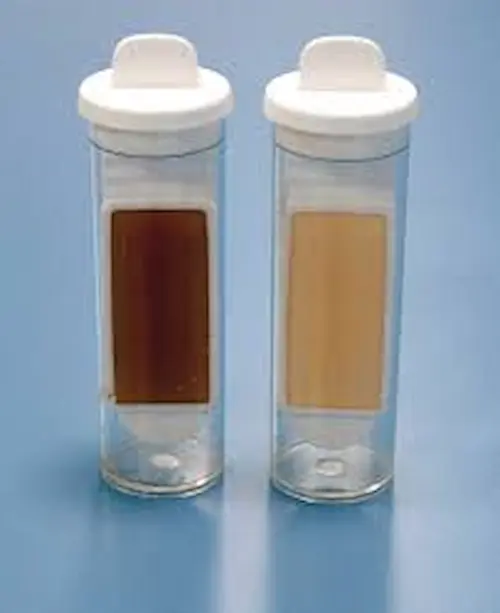
We provide comprehensive microbiological water analysis services and lab testing to screen commercial, industrial, and recreational water systems for harmful pathogens. Implementing strict biological monitoring ensures public safety, operational efficiency, and full compliance with regional public health mandates:
- Legionella Testing & Culture Analysis: A critical regulatory compliance test for commercial facilities utilizing cooling towers, decorative water fountains, and central HVAC systems to mitigate the risks of severe Legionnaires’ respiratory disease.
- Total Coliform & E. coli Testing: This crucial analysis serves as the primary indicator of fecal contamination, verifying the sanitary integrity of your potable water infrastructure and drinking water resources.
- Total / Heterotrophic Plate Count (HPC): HPC testing quantifies the background population of live, heterotrophic bacteria to actively monitor biofilm buildup in distribution piping and validate chlorine disinfection efficiency.
- Pseudomonas aeruginosa Compliance Testing: The established safety standard for commercial swimming pools, hot tubs, spas, and bottled water processing plants to ensure complete skin, ear, and eye safety.
- Sulphate-Reducing Bacteria (SRB) Screening: An essential diagnostic test for monitoring closed-loop HVAC chilled water networks to prevent severe microbial-induced corrosion (MIC) in internal piping systems.
Dubai Municipality Compliance FAQ: Water Analysis & Diagnostics
What are the mandatory parameters for un-bottled drinking water testing in Dubai under HSD GU17?
According to Dubai Municipality Technical Guideline HSD GU17, un-bottled drinking water systems must undergo regular chemical and microbiological testing to ensure safe potability. Key diagnostic parameters include tracking pH levels, Total Dissolved Solids (TDS), and electrical conductivity alongside strict checking for Total Coliforms and E. coli. Any variation from standard limits requires an immediate operational audit of your filtration infrastructure.
How does Technical Guideline HSD GU44 govern Legionella testing in hospitality cooling towers and hot water loops?
DM HSD GU44 mandates strict, routine Legionella testing & culture analysis for high-risk HVAC assets, cooling towers, and centralized hot water networks to mitigate public health risks. Sampling must be performed quarterly at minimum by specialized technicians. If microbial counts exceed legal action thresholds, facility managers must immediately deploy corrective steps, such as automated biocide adjustment or thermal system shock, to protect guests and stay fully compliant.
What water testing frequencies apply to public and private swimming pools under HSD GU81 and HSD GU80?
Dubai Municipality Guidelines HSD GU81 (Public) and HSD GU80 (Private) outline distinct biological and chemical monitoring baselines for recreational water systems. Public swimming pools in hotels and gyms require daily on-site testing for free residual chlorine and pH balance, supplemented by periodic laboratory screenings tracking Pseudomonas aeruginosa and heterotrophic plate counts (HPC) to ensure complete guest skin and eye safety.
Why is Sulphate-Reducing Bacteria (SRB) screening critical for chilled water networks alongside standard diagnostics?
While standard compliance focuses on public safety, Sulphate-Reducing Bacteria (SRB) screening is highly vital for closed-loop chilled water networks to protect commercial infrastructure. SRB activity causes severe microbiologically induced corrosion (MIC) that can degrade internal metallic piping and foul heat exchangers. Combining routine chemical testing with biological SRB screening prevents hidden system drop-offs and preserves asset life.
What safety requirements govern public water features and fountains under DM HSD GU120?
Under DM-HSD-GU120, decorative fountains, waterfalls, and public water displays must adhere to strict sanitation controls to avoid aerosolizing harmful pathogens. These systems require continuous filtration, stable disinfection levels (bromine or chlorine), and periodic biological verification to block biofilm accumulation. Our team utilizes portable field diagnostics to provide immediate on-site data, facilitating rapid adjustments to dosing parameters to ensure complete public safety.