Ozonation System
Advanced Ozonation Systems & Industrial Ozone Disinfection in Dubai
Ozonation systems deliver a highly effective, eco-friendly water treatment disinfection process that utilizes dissolved ozone gas (O₃)—a potent oxidizing agent—to completely eliminate a wide array of waterborne pathogens. This advanced oxidative technology is globally renowned for its rapid action against resilient microorganisms, including bacteria, viruses, and chlorine-resistant protozoa like Cryptosporidium and Giardia. As a robust line of defense in modern water purification plants, industrial ozone disinfection breaks down complex organic compounds, neutralizes unpleasant tastes, and extracts stubborn odors without introducing harmful, lingering chemical byproducts into the fluid stream.
Because ozone does not leave a residual disinfectant effect in the water after treatment, engineering consultants across Dubai typically design these advanced loops to work in conjunction with secondary disinfection methods, such as chlorine or bromine dosing, ensuring comprehensive, long-lasting biological control throughout downstream distribution piping networks.
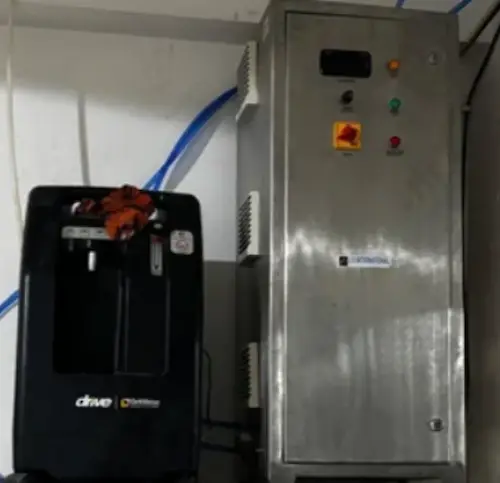
To withstand the rigorous operational demands and extreme high-ambient temperatures of the Middle East, Dubai Water Treatment constructs these modular ozonation skids with advanced, water-cooled ozone generation cells and heavy-duty oxygen concentrator feeds. Our automated engineering frameworks feature inline oxidation-reduction potential (ORP) monitors and dissolved ozone sensors linked to programmable PLCs. This smart digital infrastructure dynamically calculates ambient ozone levels, adjusting gas generation output in real time to guarantee an uncompromised level of sanitization without risking gas off-venting leaks or pipeline metallurgical degradation.
Multi-Sector Ozone Treatment for Swimming Pools, Cooling Towers, & Potable Water
Commercial ozone water treatment systems play a critical role in maintaining strict water quality standards across a diverse spectrum of municipal and HVAC utilities. In commercial swimming pools and luxury wellness spas, integrating an automated ozone generator drastically reduces the facility’s reliance on chlorine chemistry, minimizing aggressive chemical odors, mitigating eye irritation, and neutralizing chloramines to elevate the guest experience. For heavy-duty industrial cooling towers, targeted ozone treatment acts as a high-potency biocide that prevents the accumulation of restrictive biofilm, micro-induced corrosion (MIC), and scaling, significantly enhancing heat transfer efficiency and mechanical asset longevity. In municipal drinking water production and commercial bottled water plants, ozonation delivers maximum micro-filtration purity and exceptional organic clarity. Sourcing a premium ozone system allows facility managers to achieve uncompromised biological security, lower overall chemical handling hazards, and ensure seamless compliance with strict Dubai Municipality public health standards.